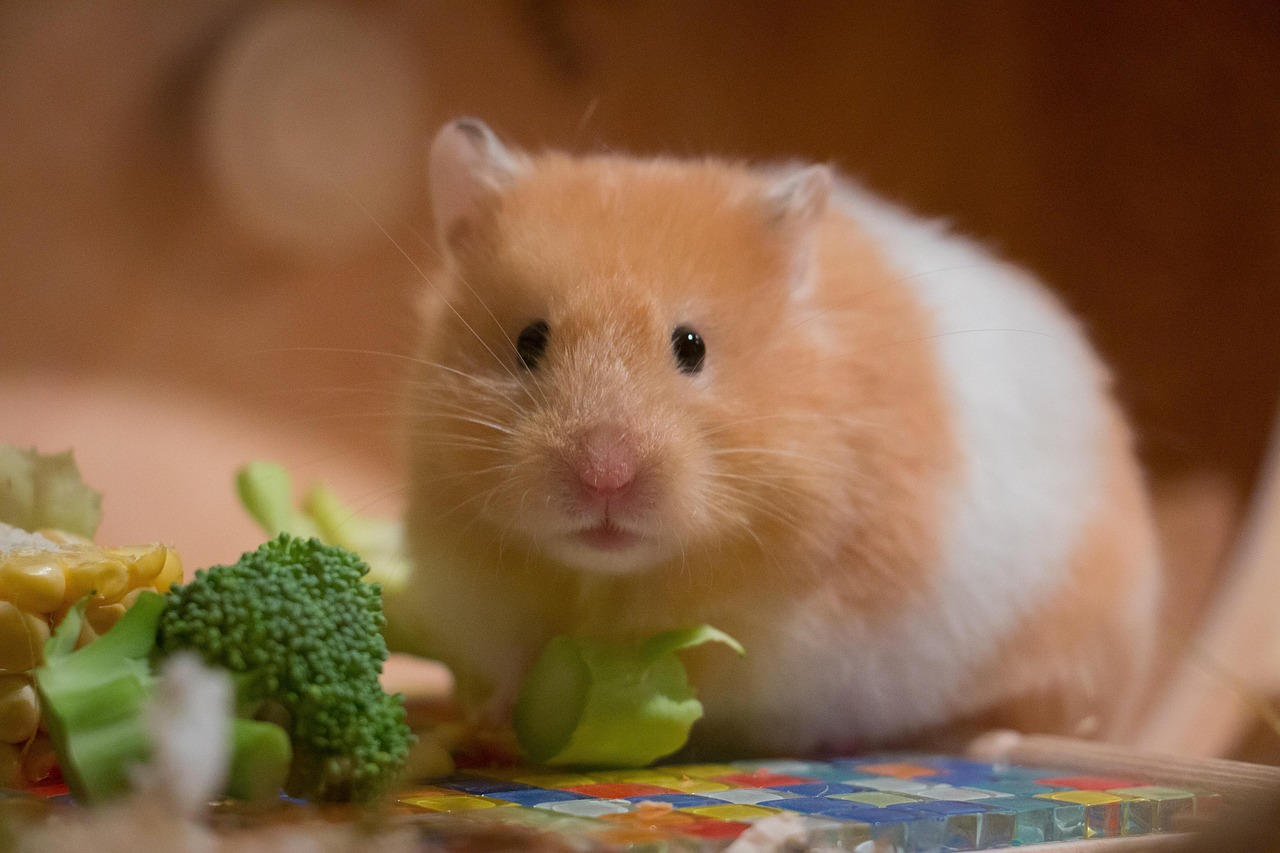
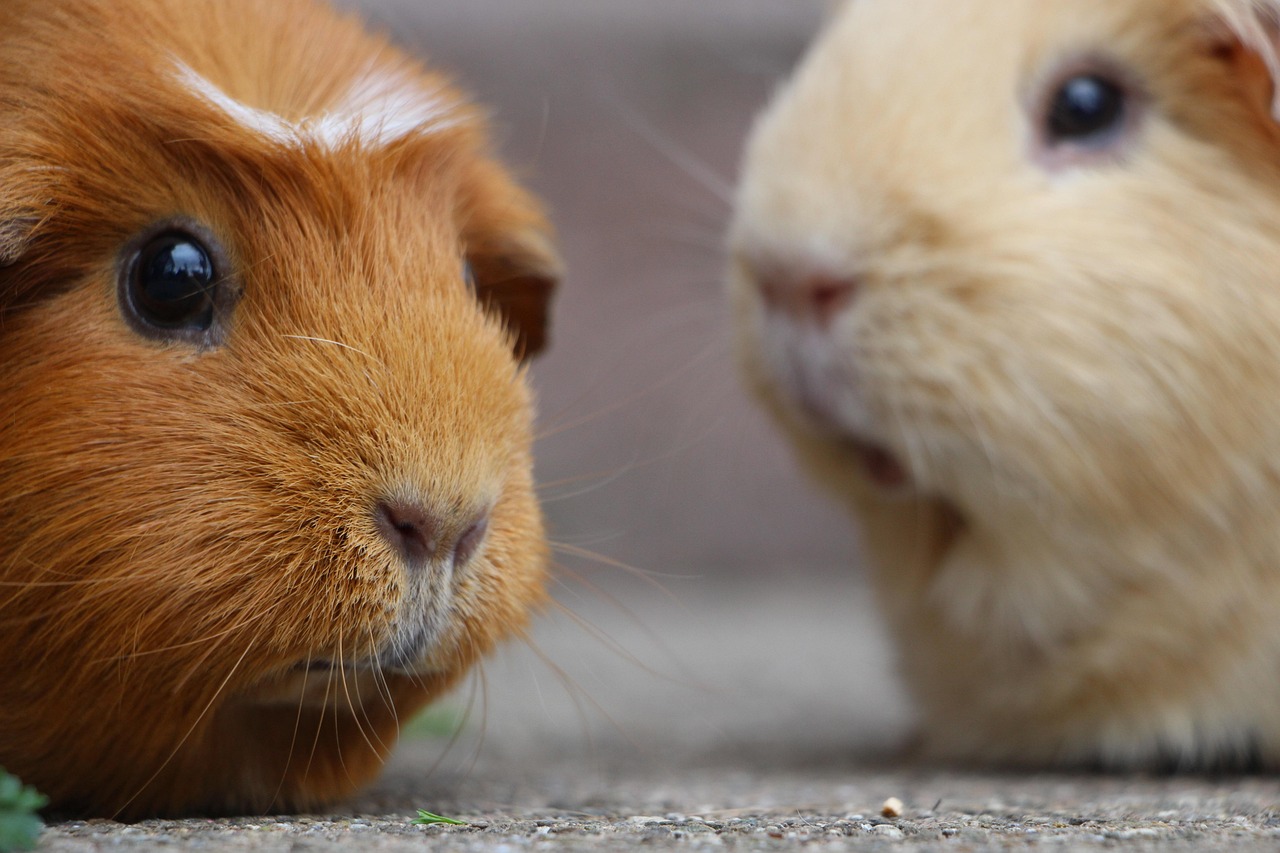
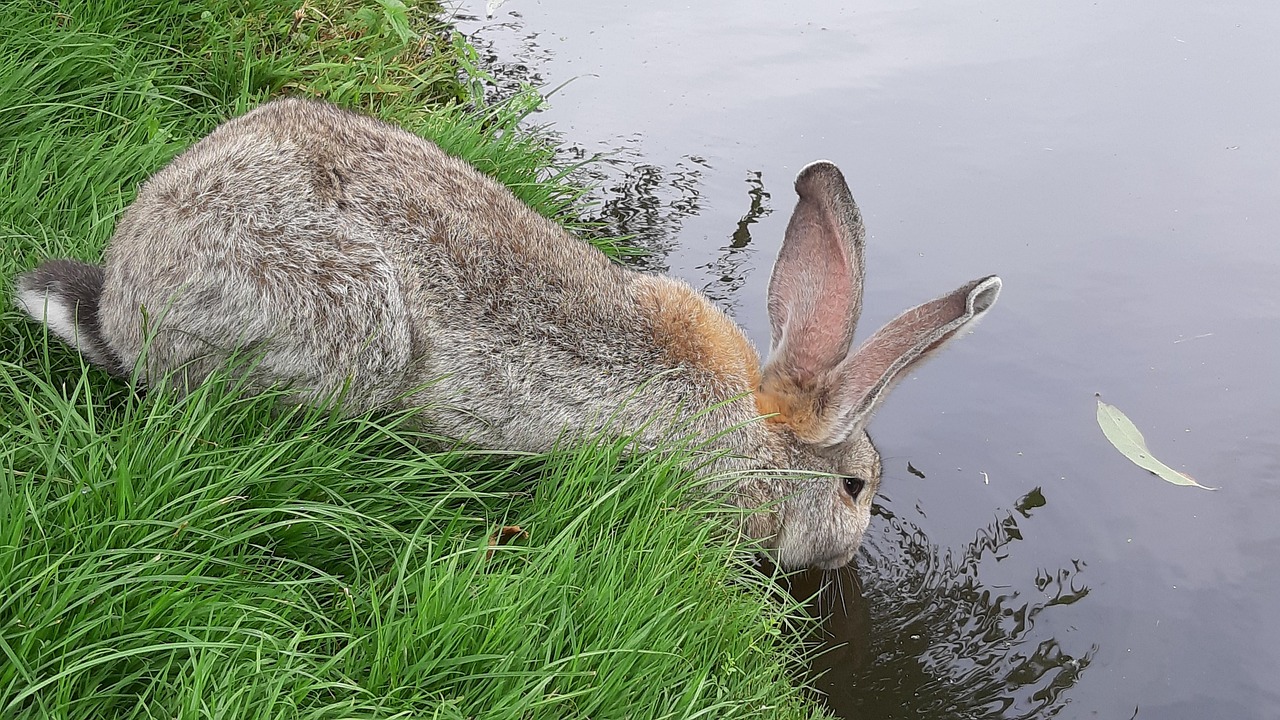
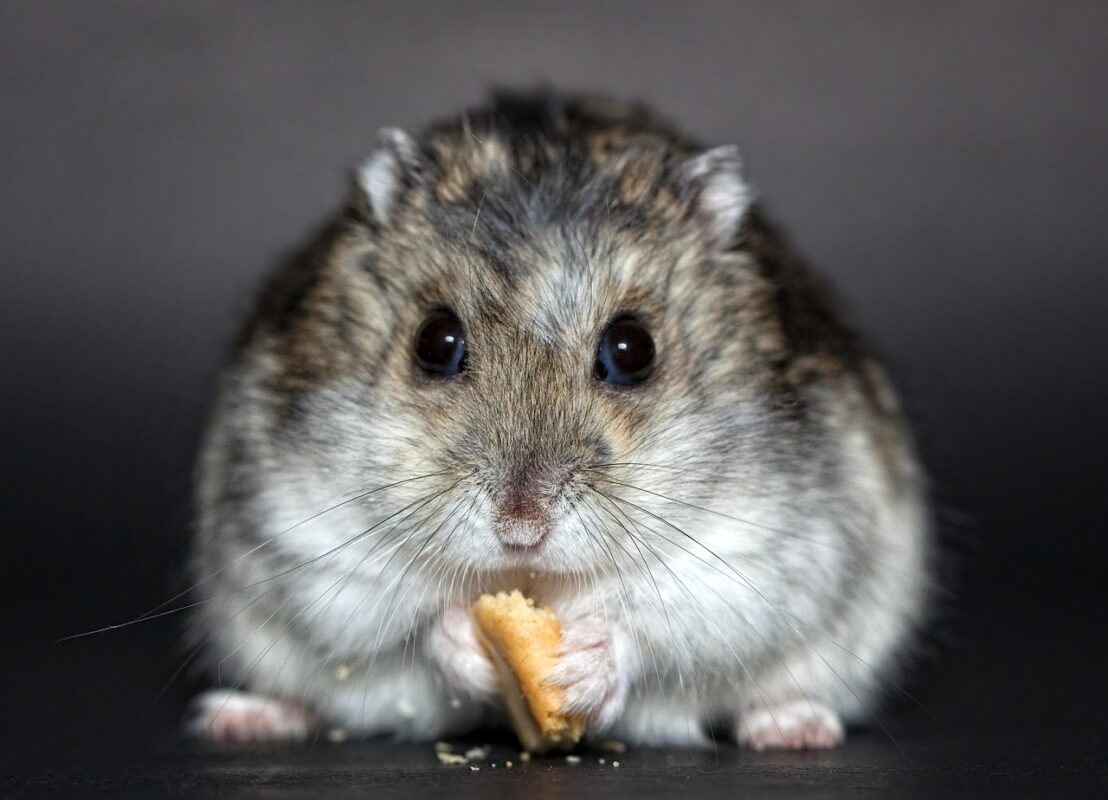
Guinea pigs, rabbits, hamsters and every other small mammal we stock for are prey animals. Their behaviour is organised around not being caught, and the single most important thing a habitat provides — after food and water — is somewhere to be out of sight.
A habitat with no hide keeps an animal in a low-level state of alert permanently. It shows as hiding in corners, freezing when approached, and reluctance to come out even at feeding time.
How many
The working rule is one per animal plus one spare. Two animals, three hides.
The reason is monopolisation. If there is one good hide and two guinea pigs, one of them owns it and the other has nowhere. That is a low-grade, permanent source of conflict, and it is entirely solved by having more hides than animals.
They should also be different: different materials, different sizes, different positions. Animals have preferences and they change with temperature and mood.
Two exits, always
This is the design detail that matters most. A hide with a single entrance is a dead end, and in a dispute an animal that goes into a dead end cannot get out.
Look for tunnels, arches, or boxes with two openings. If you have a single-entrance hide that the animal loves, cut a second opening — or position it so there is clear space around it and no risk of being cornered.
Our hideouts and beds listings give the dimensions and openings, which is what to compare rather than the photograph.
Sizing
A hide should be big enough for the animal to turn round and lie stretched out, and no bigger. The sense of enclosure is the point; a hide the size of a room provides none of it.
For a bonded pair that likes to sleep together, one larger hide plus separate smaller ones covers both preferences.
Species matters more than the marketing photo. A “small animal hideout” sized for a hamster is useless to a rabbit, which is why every listing here states the dimensions.
Materials
Wood
Warm, chewable and a consumable. A wooden hide being gnawed is doing two jobs at once, and it will need replacing. Untreated only.
Fleece and fabric
Comfortable and washable, popular with guinea pigs. Check regularly for loose threads, which wrap around toes, and retire anything fraying. Wash with the liners — no fabric softener.
Plastic
Easy to clean and long-lasting. Provides no chew value, and some animals find it cold. Fine as one hide among several.
Woven grass
Edible, chewable and comfortable. Treat as a consumable — it will be eaten, which is fine.
Placement
- Away from the toilet corner. Animals will not settle next to their own waste.
- Not directly under a food or water station.
- Spread across the habitat rather than clustered, so an animal always has one within reach.
- At least one against a wall or in a corner, which feels safer than one in open ground.
Heat and cold
In a Houston summer, an enclosed fabric hide can become uncomfortably warm. Offer an open-sided or ceramic option as well, so the animal can choose. In winter the preference reverses.
Giving a choice rather than deciding for them is the general principle, and it applies to hides more than anything else in the habitat.
Cleaning
Wooden hides absorb urine and need replacing periodically rather than being scrubbed indefinitely. Fabric hides go through the wash. Plastic wipes down.
Include hides in the weekly clean rather than treating them as fixtures — the inside is where the animal spends most of its time and is often the dirtiest part of the habitat.
Getting a nervous animal to use them
A new hide sometimes gets ignored. Put a little hay inside, or a favourite treat, and place it near where the animal already chooses to sit. Move it to the intended position once it is being used.
If an animal hides constantly and will not come out even at feeding time, that is a settling problem or a health problem rather than a hide problem — more hides will not fix it, but a quieter position for the habitat often will.
Hides, beds and tunnels are under hideouts and beds. We are open nine to nine every day — ask us, see the FAQ, or browse the range.
From our shelves
Products in this store that relate to what is covered above:
Prices are in US dollars. Delivery timings are on our shipping policy page and the return and refund policy sets out the window if something is not right.
Key points
- Prey species need somewhere to retreat; a habitat without a hide keeps the animal in a permanent state of alert.
- Provide at least one hide per animal plus one spare, so no hide can be monopolised.
- Every hide needs two exits. A single-entrance hide is a trap in a dispute.
- Size the hide to the animal — one that fits a hamster will not fit a rabbit, and one far too large gives no sense of enclosure.
- Fabric hides need checking for loose threads; wooden ones will be chewed and are consumables.
- Position hides away from the toilet corner and away from directly under food or water.
Related reading