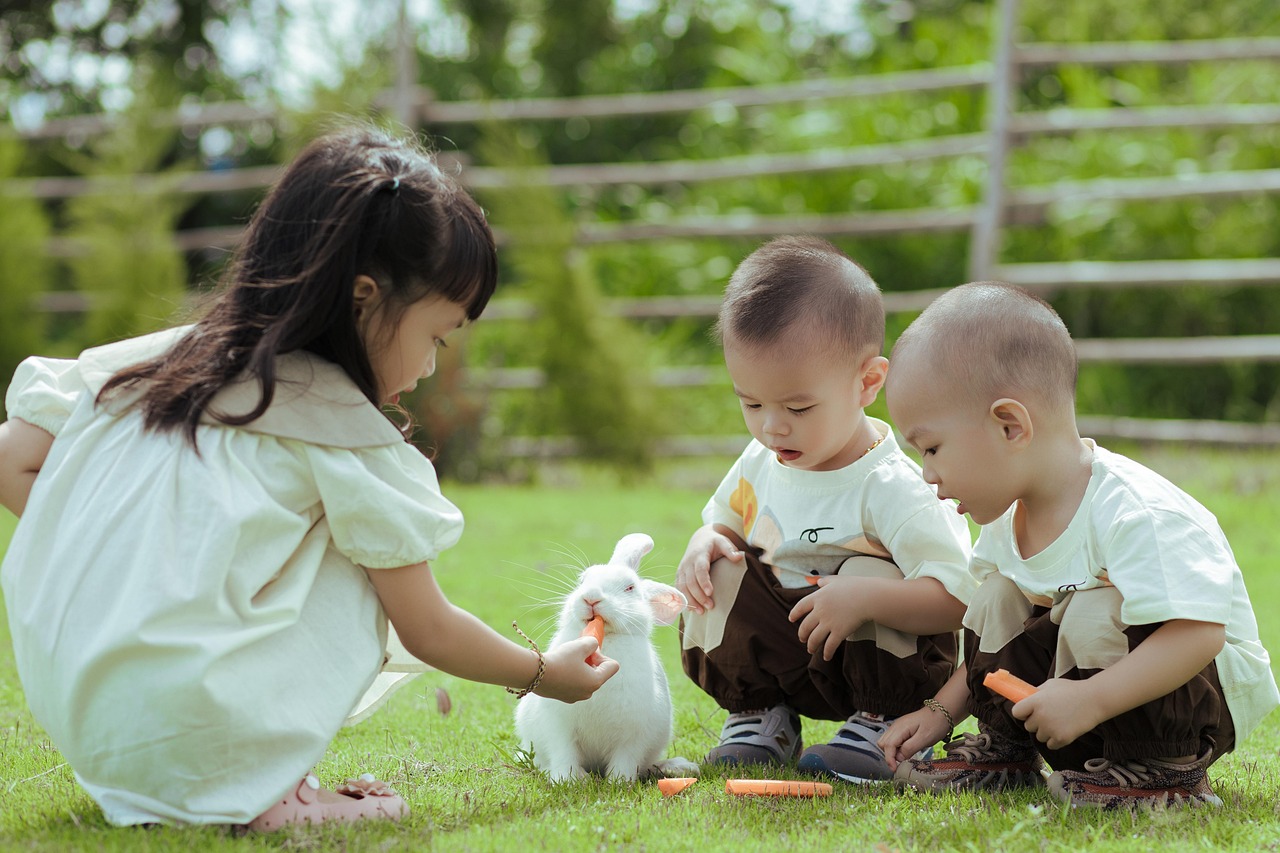
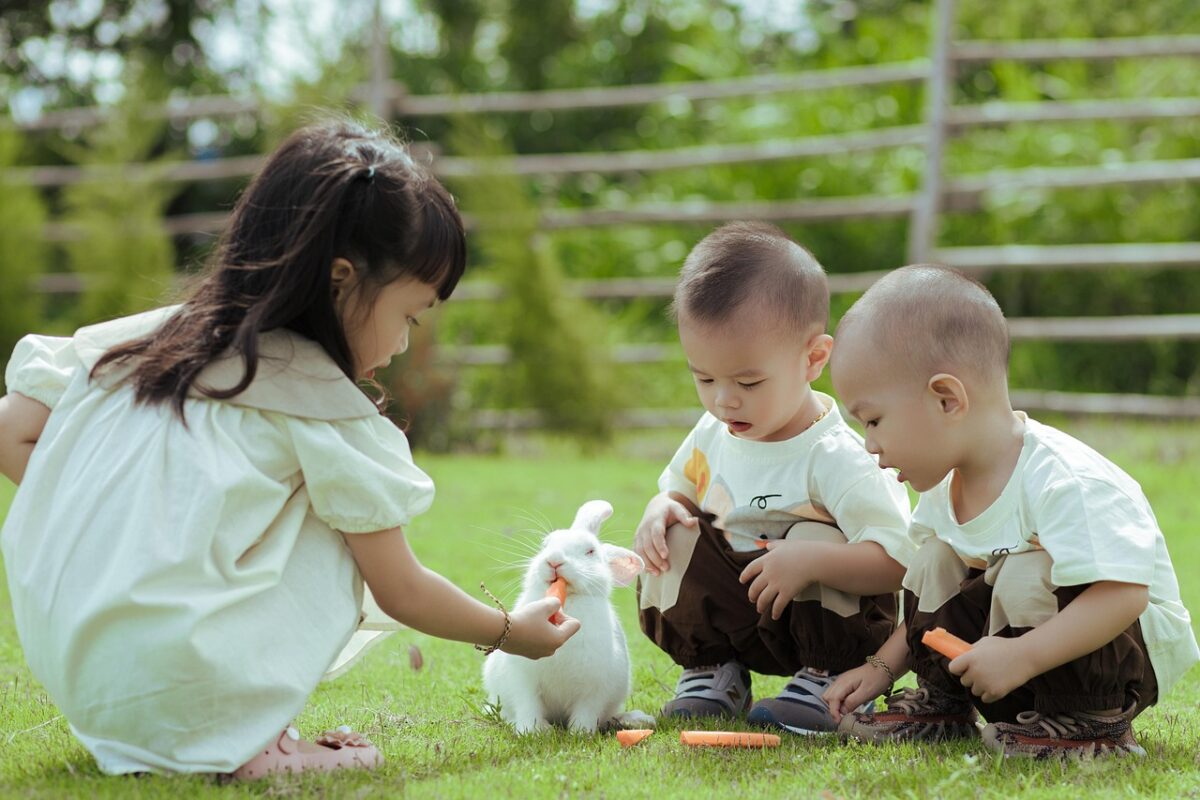
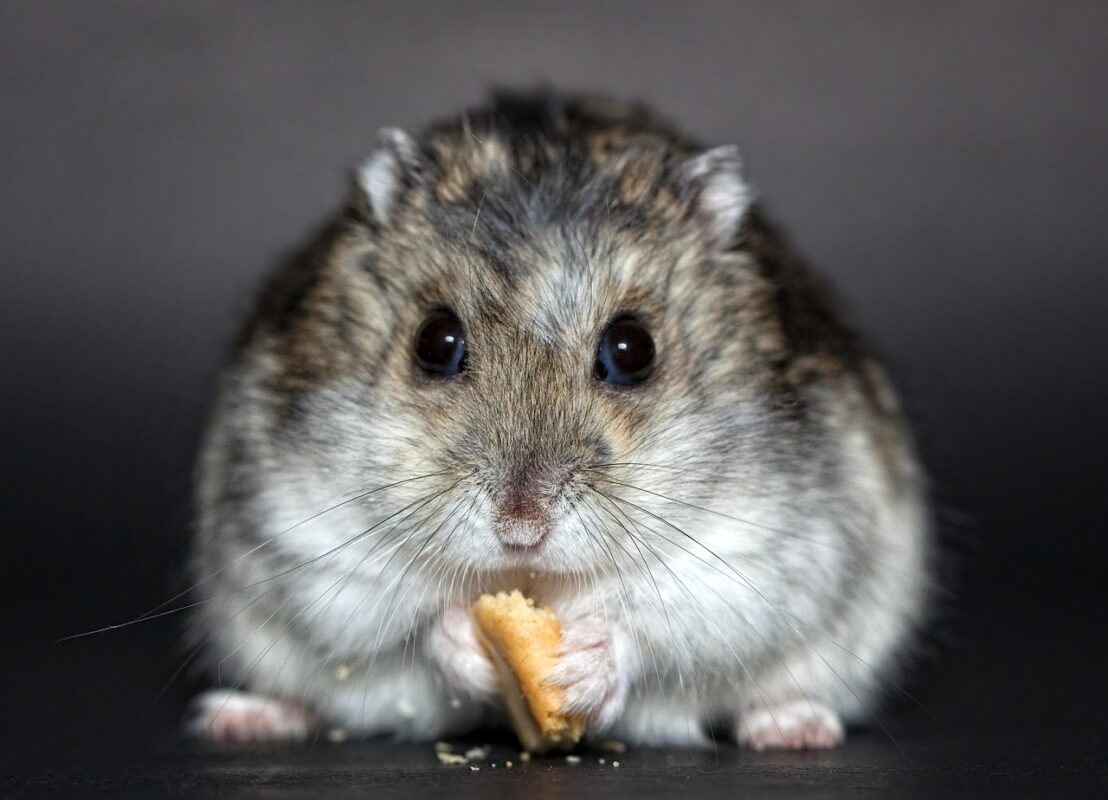
Every small animal benefits from time outside its habitat, and a playpen is the practical way to give it without the animal disappearing behind the sofa. It doubles as somewhere safe to put them while you clean, which is why it is one of the most-used items in a small-pet household.
Choosing a pen
Panel pens
Wire or plastic panels that clip together. The advantage is configurability: the same set can be a tall narrow enclosure for a rabbit or a low wide one for guinea pigs, and it can be reshaped around furniture. Our cages and playpens listings give panel counts and assembled dimensions.
Fabric pop-up pens
Light, fold flat, quick to set up. They have a floor built in, which is convenient. The catch is that fabric is chewable, and a determined rabbit will make a door in one.
Height
The measurement most often got wrong. Rabbits jump considerably higher than people expect, and guinea pigs can climb a low panel if there is anything to push off. Check the pen height against the species rather than assuming.
Proofing the area
Even inside a pen, the floor within reach has to be safe.
- Cables. The most common accident by a wide margin. Move them out of the pen entirely, or run them through hard conduit. A chewed live cable can kill an animal.
- Skirting boards and furniture legs. Position the pen away from anything chewable, or place a barrier along that side.
- Carpet. Rabbits dig at carpet and eat the fibres. Cover it.
- Hard floors. Laminate and tile are slippery, which causes splayed legs and joint strain. Cover those too.
- Houseplants. Many are toxic. Remove them from the room rather than the pen.
A washable mat solves both floor problems at once — see bedding and liners.
Making the pen worth being in
An empty pen is a bare box, and a nervous animal will sit in one corner for the whole session. Furnish it:
- A hide with two exits, so there is somewhere to retreat — see hideouts and beds.
- Hay, which gives them something to do immediately.
- A tunnel or two to run through.
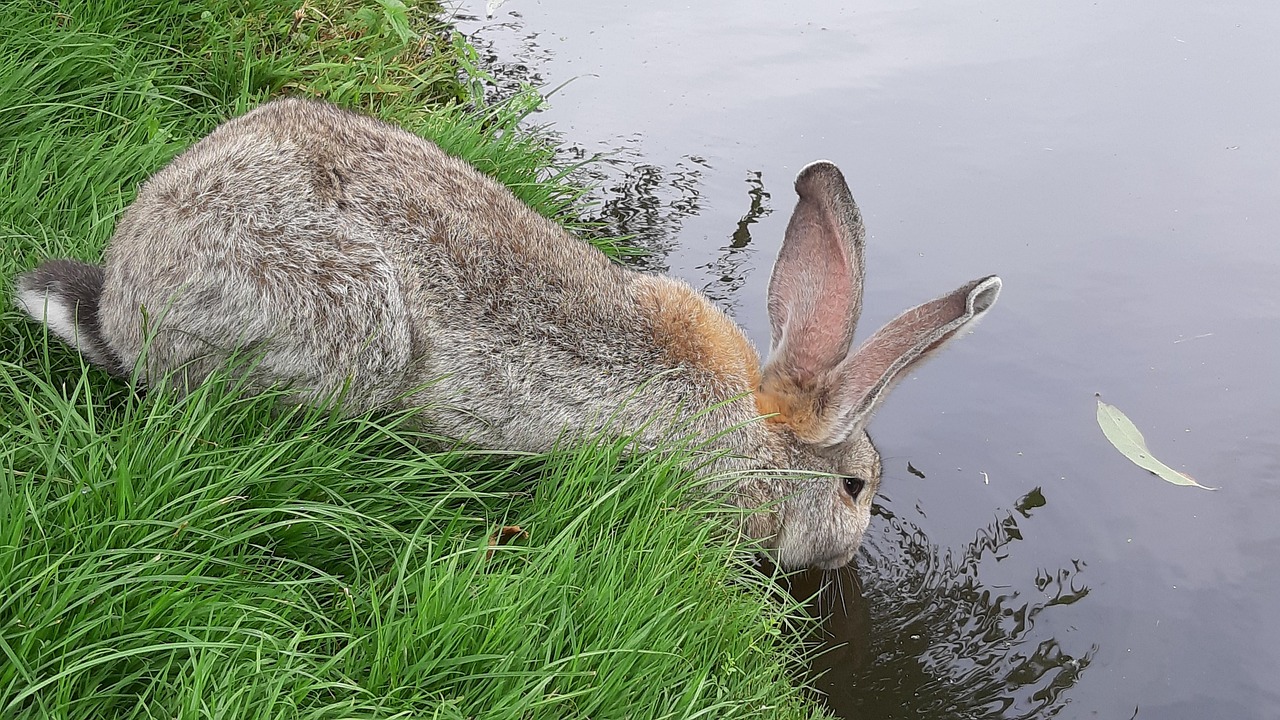
- Water, in a bowl rather than a bottle for a short session.
- Chew items scattered around — under chew toys and treats.
Session length and supervision
Start with fifteen or twenty minutes and build up as the animal settles. An hour a day is a reasonable target for most species, split into two sessions if that suits your day better.
Supervise throughout. Pens get pushed, panels get separated, and animals climb better than they appear to. “Secure” is not a state a playpen stays in unattended.
Attaching a pen to the habitat
The best arrangement, where the room allows, is a pen connected directly to the habitat so the animal can move between them freely. It effectively doubles the living space and removes the need to lift the animal in and out, which many small pets dislike.
Panel systems make this straightforward — remove one grid from the habitat side and join the pen there.
Multiple animals
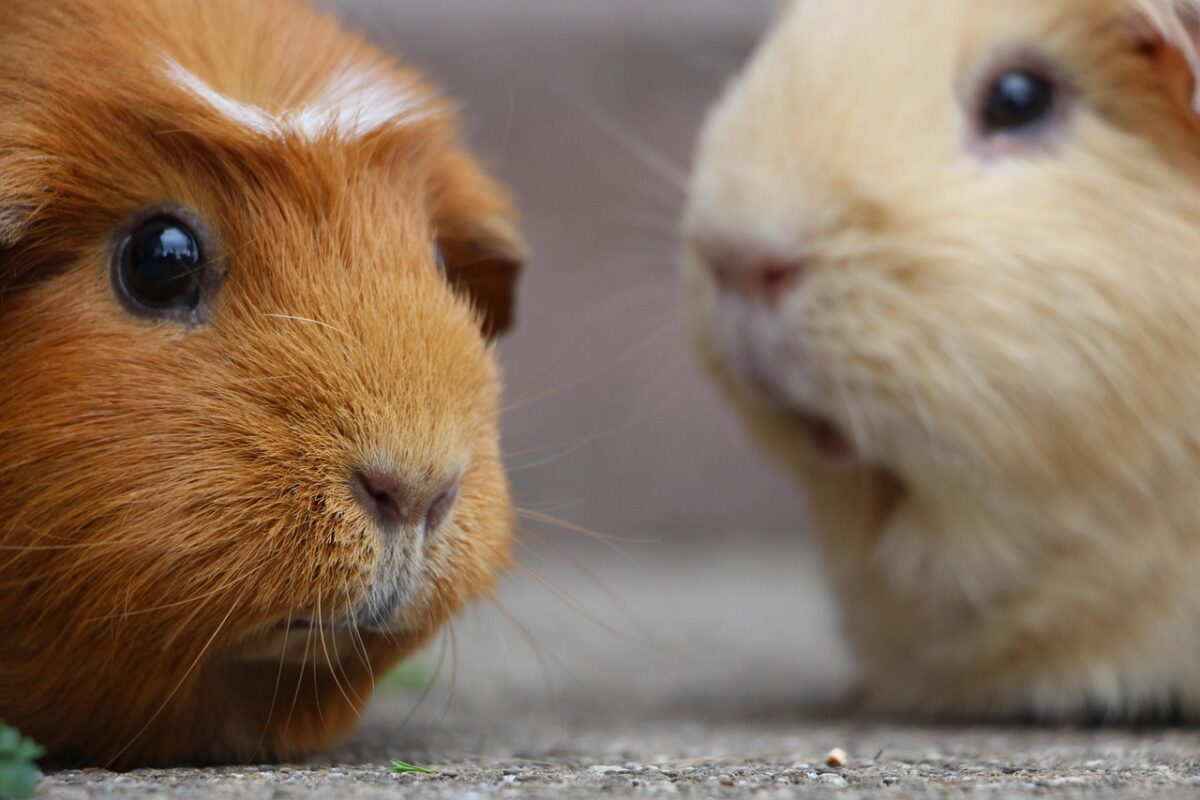
Bonded pairs can share a pen, provided it is large enough that neither can be cornered and there are two of everything. Animals that are not bonded should not share floor time; a neutral space is where bonding is done deliberately, not accidentally.
Cleaning up afterwards
Small animals toilet where they are, and a session usually leaves something behind. A washable mat or a fleece liner underneath makes clean-up a shake and a wash rather than a scrub of the carpet.
Some rabbits and guinea pigs will use a litter tray in the pen if one is put in the corner they choose. It is worth trying — they often take to it faster than expected.
We are open every day nine to nine on Jones Road in Houston. Ask us about a specific setup, see the FAQ, or browse the range.
From our shelves
Products in this store that relate to what is covered above:
Prices are in US dollars. Delivery timings are on our shipping policy page and the return and refund policy sets out the window if something is not right.
Key points
- Panel playpens can be reconfigured — tall and narrow, low and wide, or joined to the habitat as an extension.
- Check panel height against the animal: rabbits jump far higher than most pens are built for.
- Cover the floor. Carpet is chewed and hard floors are slippery; a washable mat solves both.
- Remove or protect every cable in reach before the first session. This is the single most common accident.
- Never leave a small animal unsupervised in a pen, however secure it looks.
- Give the pen a hide and some hay so the animal has somewhere to retreat and something to do.
Related reading