The instinct with a grubby small pet is to wash it. For almost every species we stock for, that instinct is wrong. Small mammals are efficient self-groomers, they chill dangerously fast when wet, and their coats depend on natural oils that shampoo strips.
Sand, not water, not dust
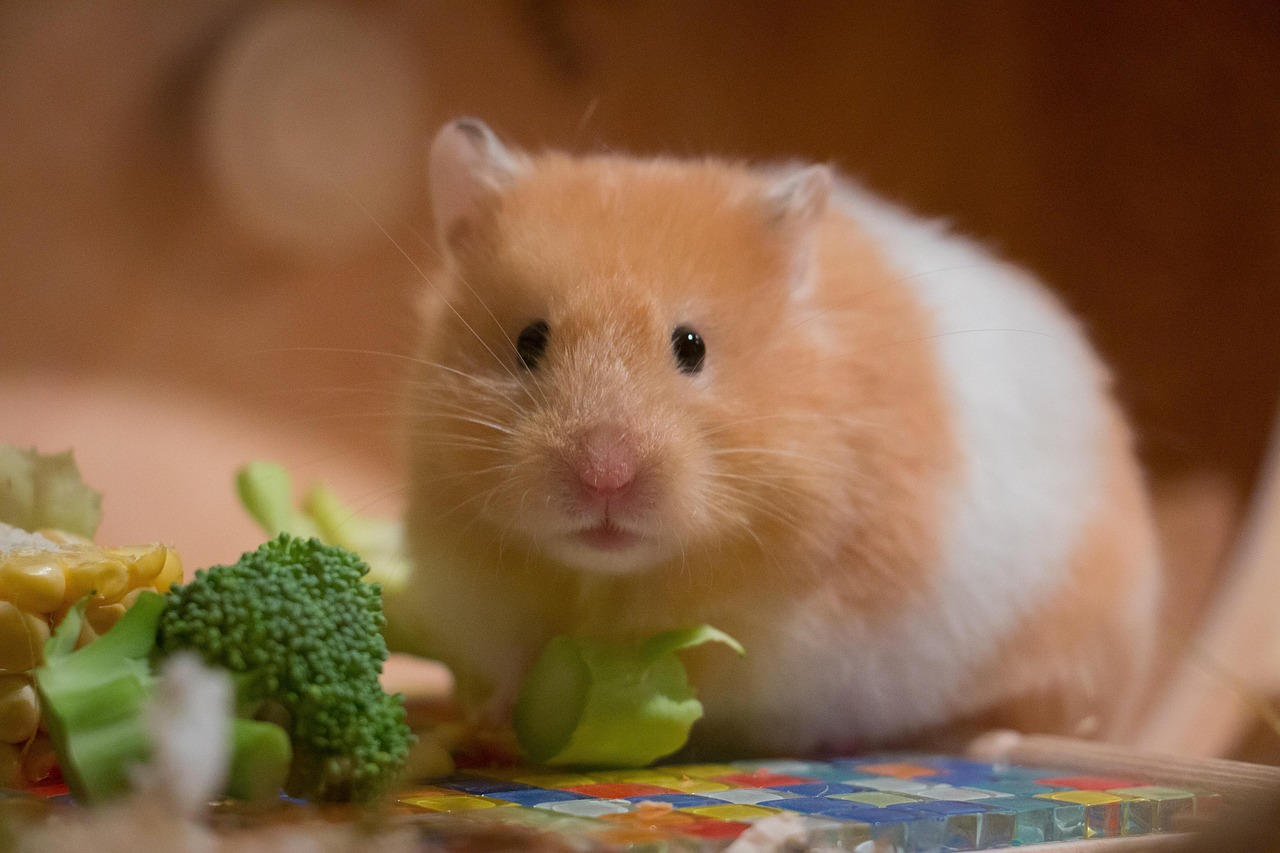
Hamsters, gerbils and chinchillas clean themselves by rolling in fine sand, which absorbs excess oil and lifts debris out of the coat. It is their equivalent of a bath and they enjoy it visibly.
Two rules. Use bathing sand, not bathing dust — dust is fine enough to be inhaled and is associated with respiratory irritation. And offer it for short periods in a shallow dish rather than leaving it in permanently, or it becomes a toilet.
Fifteen or twenty minutes a few times a week is plenty. Sand and grooming kit are under grooming and cleaning.
Brushing by coat type
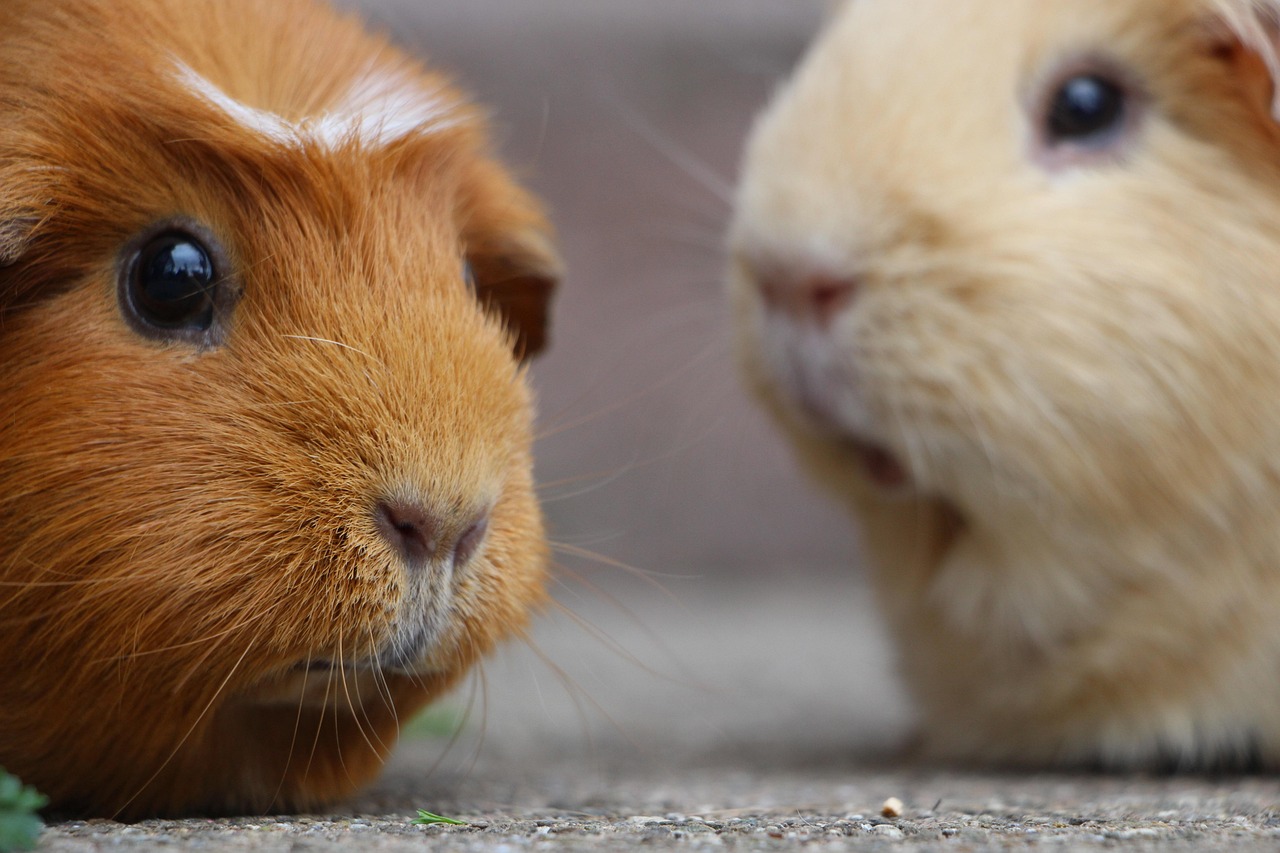
- Short-coated guinea pigs: a soft brush weekly is enough.
- Long-coated guinea pigs (Peruvian, Silkie): daily. The coat mats quickly and mats pull the skin painfully.
- Rabbits: weekly normally, daily during a moult.
- Angora rabbits: daily, and a summer trim is a welfare measure rather than a style choice.
Work with the direction of the coat, take your time, and stop before the animal has had enough. Grooming should end while it is still going well.
Why rabbit moults are different
Rabbits cannot vomit. Fur ingested during self-grooming has to pass all the way through, and during a heavy moult the volume can be enough to slow the gut. Combined with the low-fibre diet many pet rabbits are on, that is how gut stasis starts.
Daily brushing through a moult, plus unlimited hay, is the whole prevention strategy. If a rabbit stops eating or producing droppings, that is a same-day emergency.
Spot cleaning
For a soiled rear or a patch of dried food, use a damp cloth or waterless grooming wipes and clean only the affected area. Dry thoroughly afterwards with a towel.
Waterless grooming gloves and wipes are genuinely useful here — they clean without wetting the animal through, which is exactly the balance you want. They are listed under grooming and cleaning.
If a full bath is unavoidable
Occasionally a vet will recommend one, or an animal will get into something that has to come off. In that case: shallow warm water, a small-animal shampoo only, keep the head dry, and dry the animal completely with towels and a low-heat dryer held well back. Keep the room warm afterwards until the coat is fully dry.
This is an exception, not a routine.
Nails
Nails grow continuously and, in an indoor habitat, wear slowly. Every few weeks is typical.
Trim small amounts frequently rather than large amounts rarely. The quick — the blood supply inside the nail — recedes as the nail is kept short, so regular small trims make each one easier. In pale nails the quick is visible as a pink line; in dark nails it is not, which is where a bright light held behind the nail helps.
Have styptic powder to hand before you start. If you are hesitant, that hesitation is sound judgement — a vet or an experienced groomer will do it quickly.
Scent glands and other overlooked spots
Guinea pigs have a grease gland at the base of the spine that can build up a waxy deposit, particularly in boars. Soften it with a little coconut oil and wipe gently rather than scrubbing.
Boars also need their rear pouch checked periodically, as material can accumulate there. It is not pleasant and it is quick, and neglecting it causes real problems.
Making it routine
Grooming is also a health check. While you are brushing you are looking at skin, checking for lumps, parasites and matted fur, and noticing weight changes before they become obvious.
Keep sessions short and frequent rather than long and occasional, and finish with something the animal likes. An animal that tolerates handling is far easier to examine when something is actually wrong.
Everything mentioned is under grooming and cleaning, with hides and comfort items under hideouts and beds. Ask us, see the FAQ, or browse the store.
From our shelves
Products in this store that relate to what is covered above:
Prices are in US dollars. Delivery timings are on our shipping policy page and the return and refund policy sets out the window if something is not right.
Key points
- Most small mammals should never be given a full bath; wet fur and cold stress are serious risks.
- Hamsters and gerbils clean themselves in bathing sand — sand, never dust, and offered in a shallow dish for short periods.
- Long-coated guinea pigs and rabbits need daily brushing; short-coated ones need it weekly.
- Rabbits moulting heavily must be brushed daily — ingested fur is a gut stasis risk and they cannot vomit.
- Spot-clean soiled fur with a damp cloth or waterless grooming wipes rather than immersing the animal.
- Nails need trimming every few weeks; take small amounts frequently rather than large amounts rarely.
Related reading